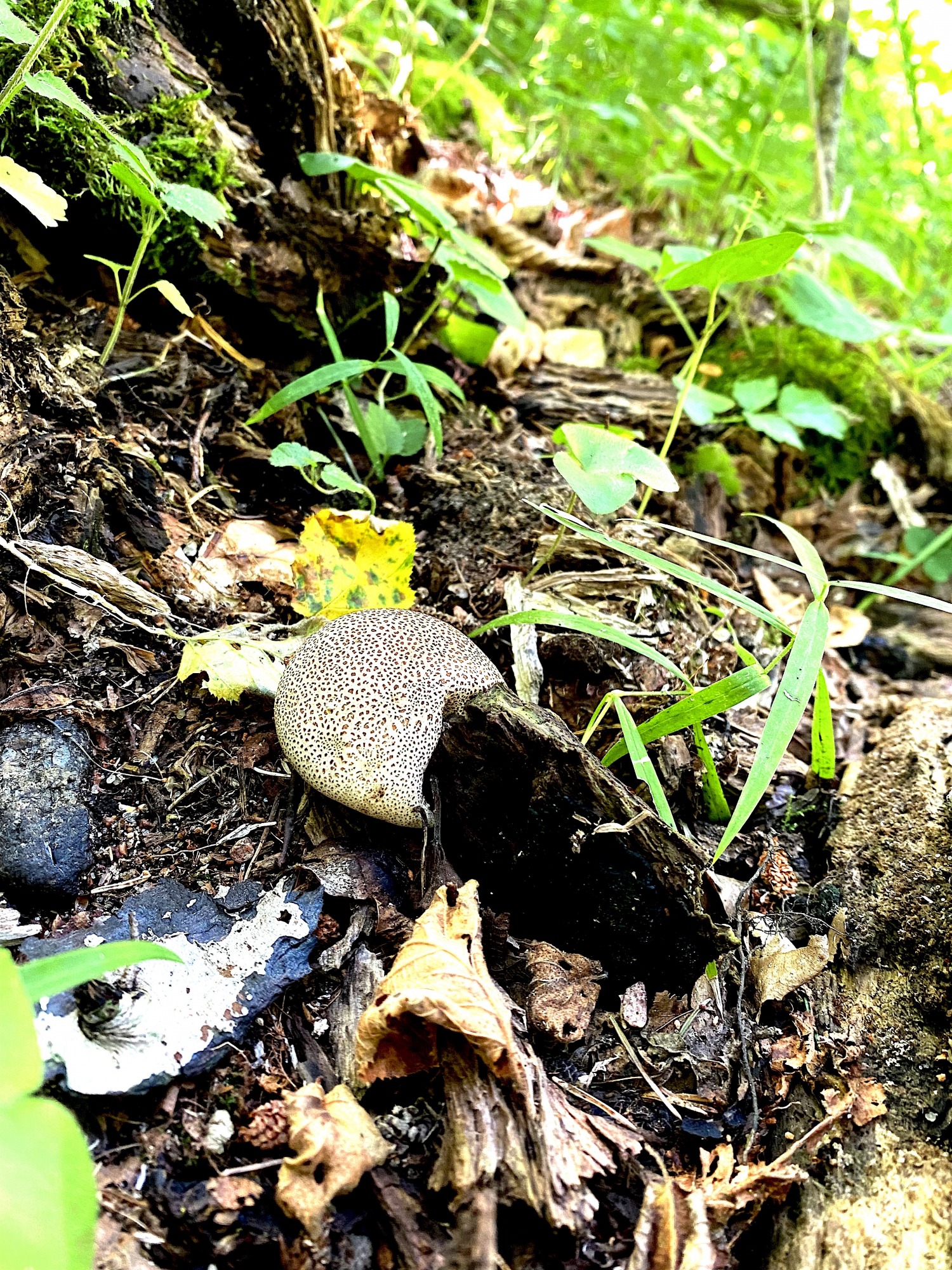
Mycography: Notes from the Mycocene
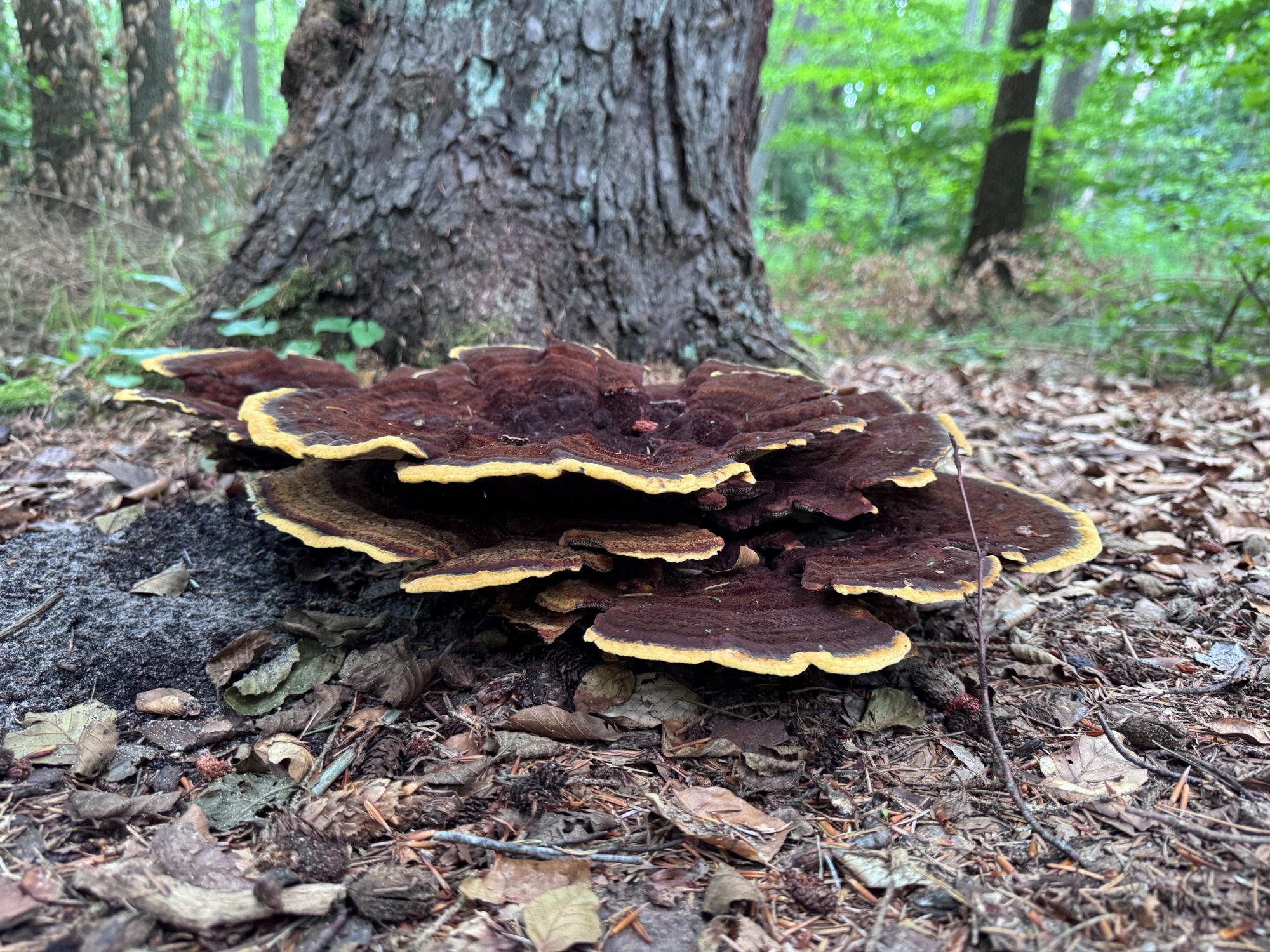
An Ongoing Visual Essay
Mycography is an unfinished visual essay composed of photographs and short speculative notes. It develops gradually, as new images are found in my photographic archive or made during encounters with fungi, forests, decay and changing landscapes. It is not intended to become a complete catalogue or a closed argument.
The Mycocene is used here not as the name of a formally proposed geological epoch, but as a speculative perspective: an attempt to imagine planetary time beyond the human-centred narrative of the Anthropocene. Fungi make visible forms of life based on decomposition, transformation, symbiosis and networks that usually remain hidden beneath the surface.
The photographs do not illustrate a finished theory. They are part of the thinking itself. Each image is a temporary emergence from a much larger and still largely unseen archive—just as the visible mushroom is only a small manifestation of an extensive mycelial system.
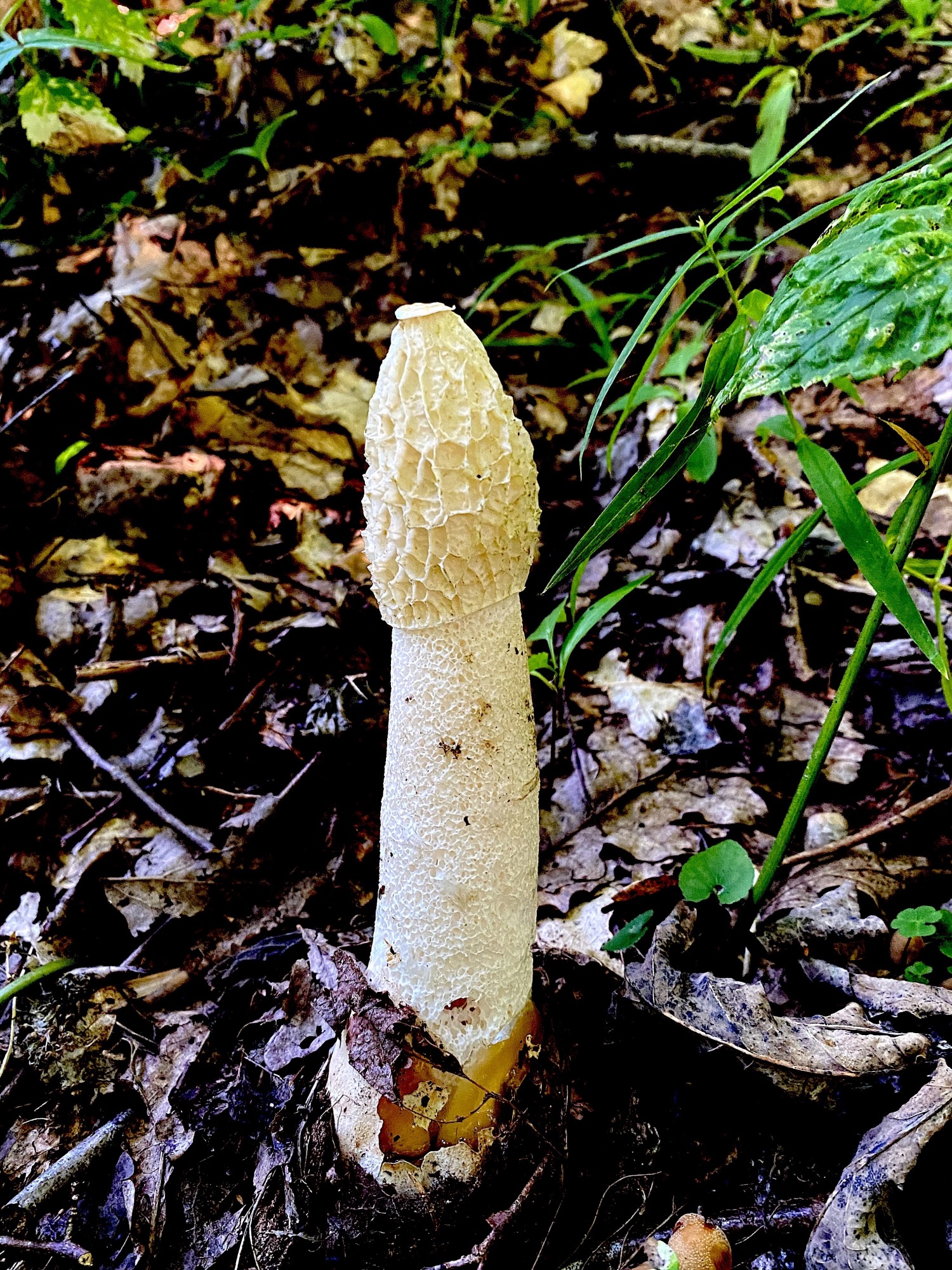
The future of the world belongs to the fungus.
Fungi do not conquer the world with noise or spectacle.
They spread slowly, quietly, patiently. Beneath the surface.
Under the forest floor, under fields, under cities, vast networks grow.
Invisible connections that outlast the lives of trees, animals, and perhaps also humans.
We imagine the future through technology, space travel, artificial intelligence.
Fungi imagine nothing. They simply continue.
And perhaps that is why the future belongs to them.
Not because they will win, but because they endure.
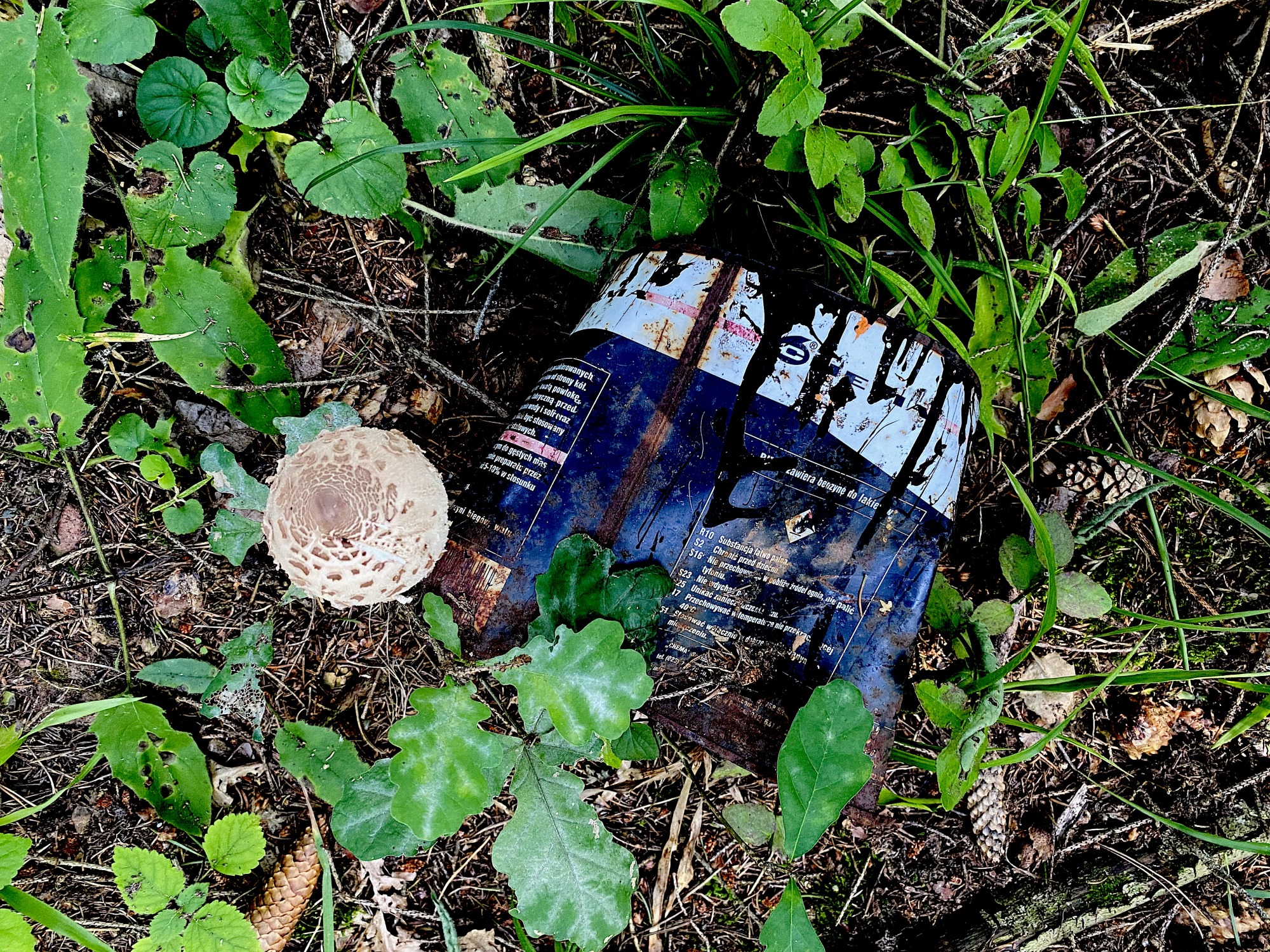
Not only in the age of the Anthropocene but also when we are no longer around.
The Anthropocene is a story humans tell about themselves.
It is the moment when humanity declares itself a geological force.
But every epoch named by humans carries an assumption:
that humans will still be there to observe it.
Fungi do not depend on such narratives.
They existed long before the Anthropocene,
and they will remain long after it fades.
The history of the planet may ultimately be written not in human archives,
but in mycelial networks.
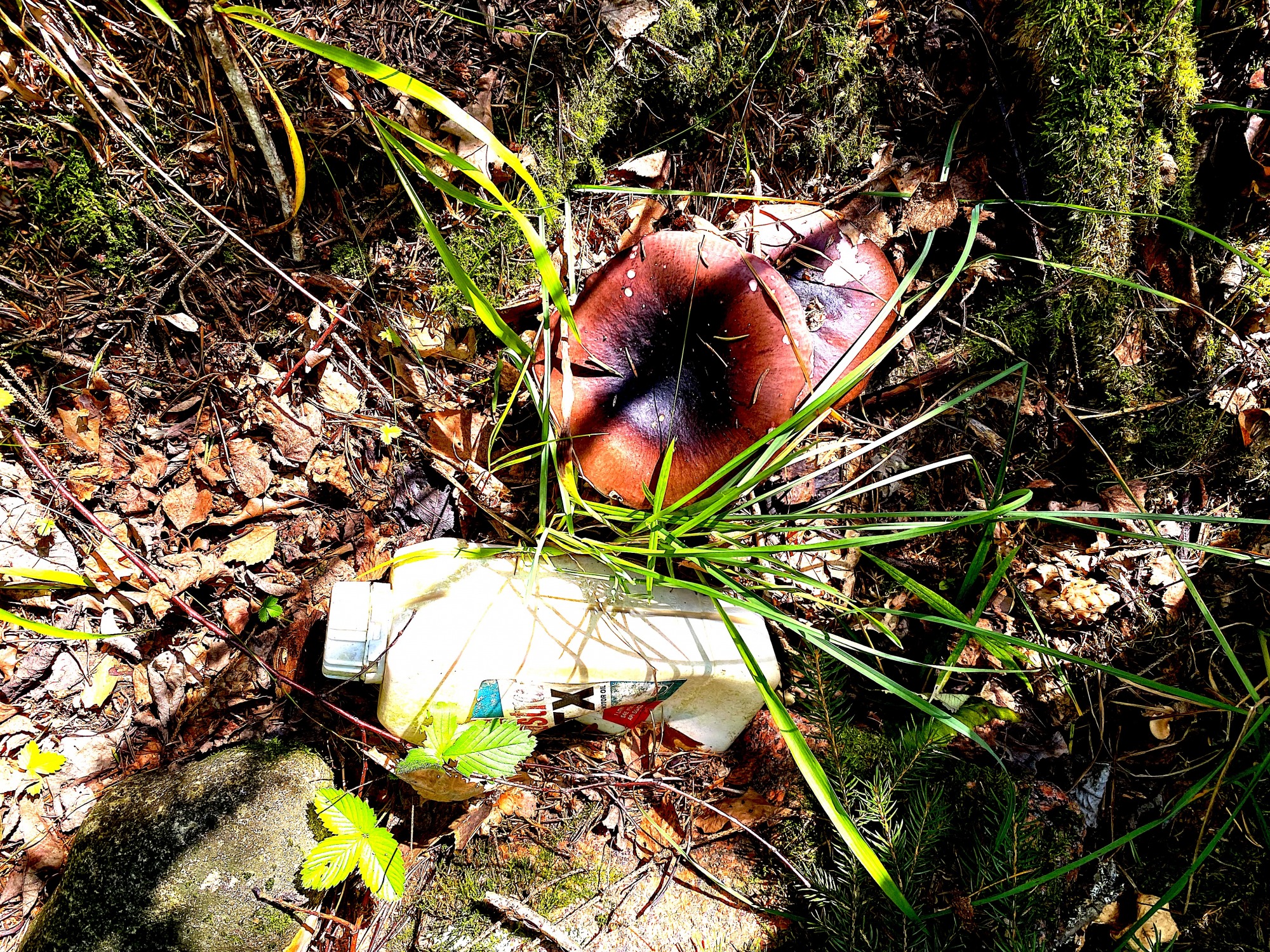
The coming of the Mycocene is only a matter of time.
This is not about a different version of the post-apocalyptic world.
The Mycocene will not arrive dramatically.
There will be no sudden moment when the world changes.
Instead it will unfold slowly:
in damp wood, in forgotten buildings, in abandoned places, in forests reclaiming land.
Fungi do not rush.
They wait, expand, connect, and transform.
Perhaps the Mycocene has already begun.
We simply have not yet learned how to see it.
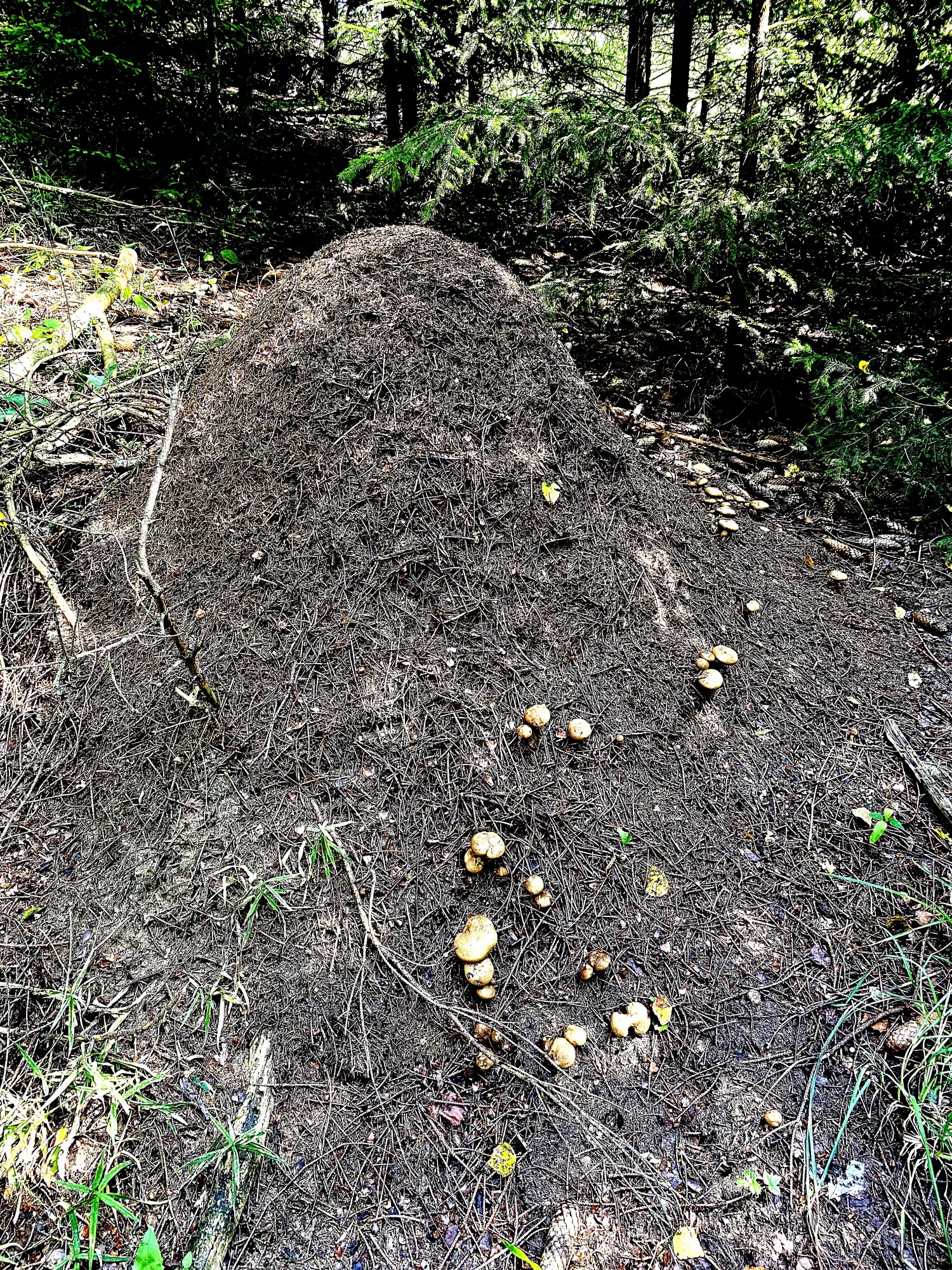
The world of fungus is in and around us.
The world of fungi surrounds us constantly.
Most of their life remains hidden beneath the ground,
in roots, soil, wood, and air.
The mushroom we see is only a brief emergence—
a moment when an invisible network becomes visible.
What appears suddenly in the forest is only the surface
of a far larger system below.
Fungi remind us that the visible world is only a fragment
of a deeper, hidden reality.
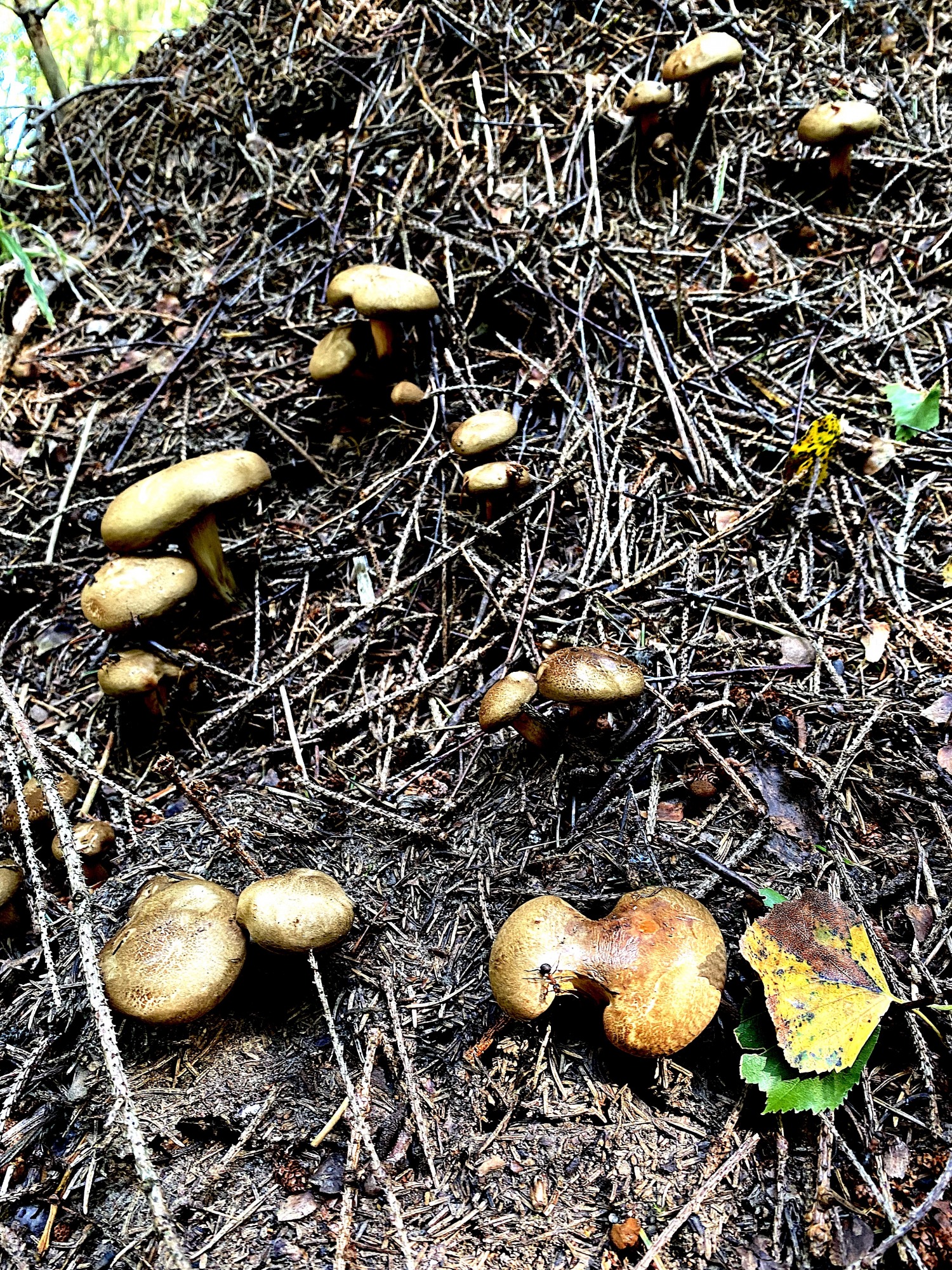
This photographic journey is a trace, a record of the future.
Photography usually captures the past.
It preserves what has already happened.
In this project, photography works differently.
It becomes a record of processes that will continue long after the image was taken.
Each photograph captures a moment in a much longer transformation.
In this sense, these images are not only documents of the present.
They are traces of the future.
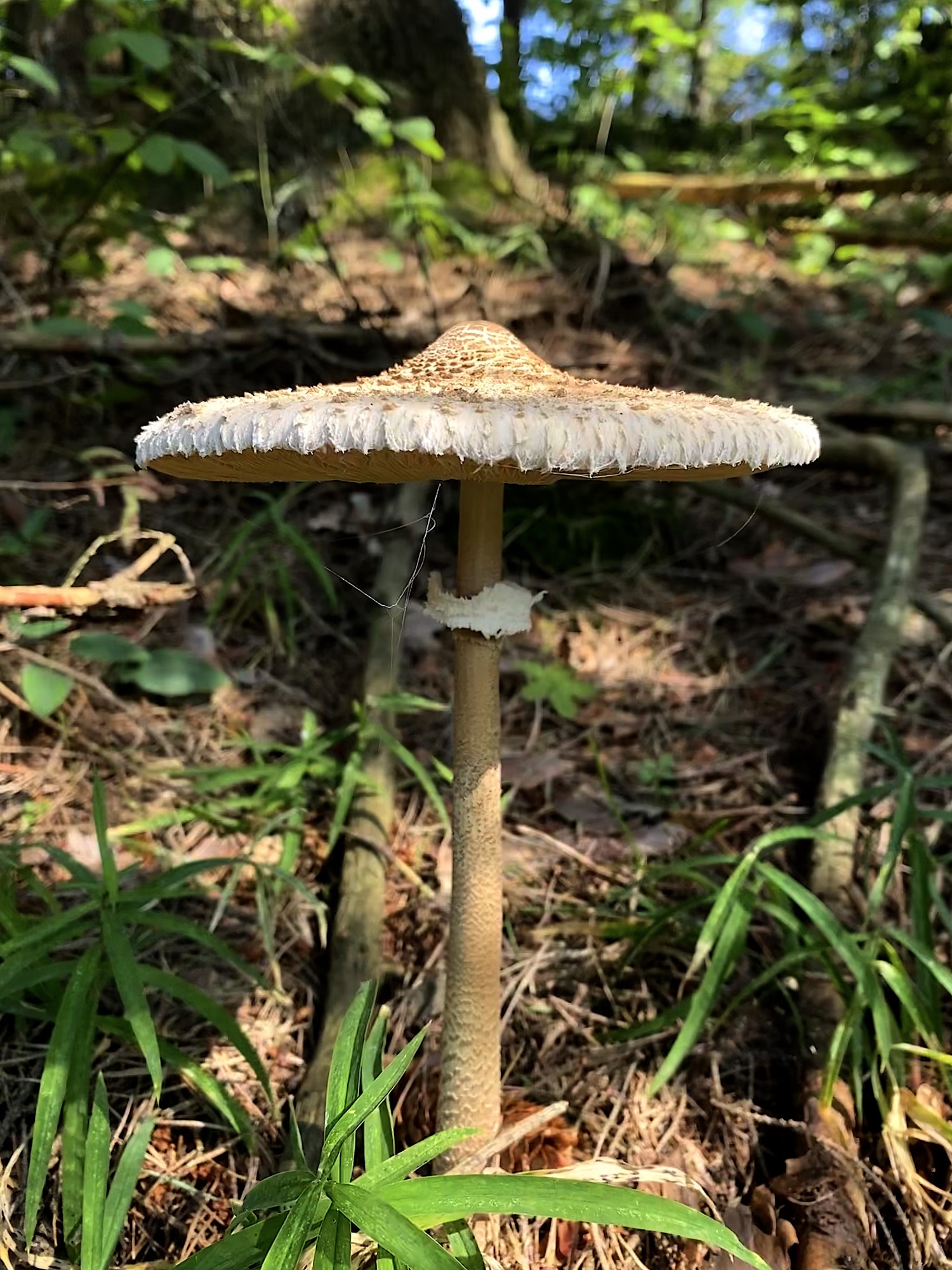
Aestheticization is a way of dealing with unspeakable fear.
Beauty often helps us face what would otherwise be unbearable.
Decay, decomposition, transformation—
these processes are essential to life, yet they also remind us of endings.
By turning them into images, we make them visible, even beautiful.
Aestheticization becomes a way to approach what cannot easily be spoken.
Through images of fungi we look at processes of decay
without turning away from them.
Perhaps beauty is one way of learning to live with impermanence.