St. Wenceslaus' Millennium
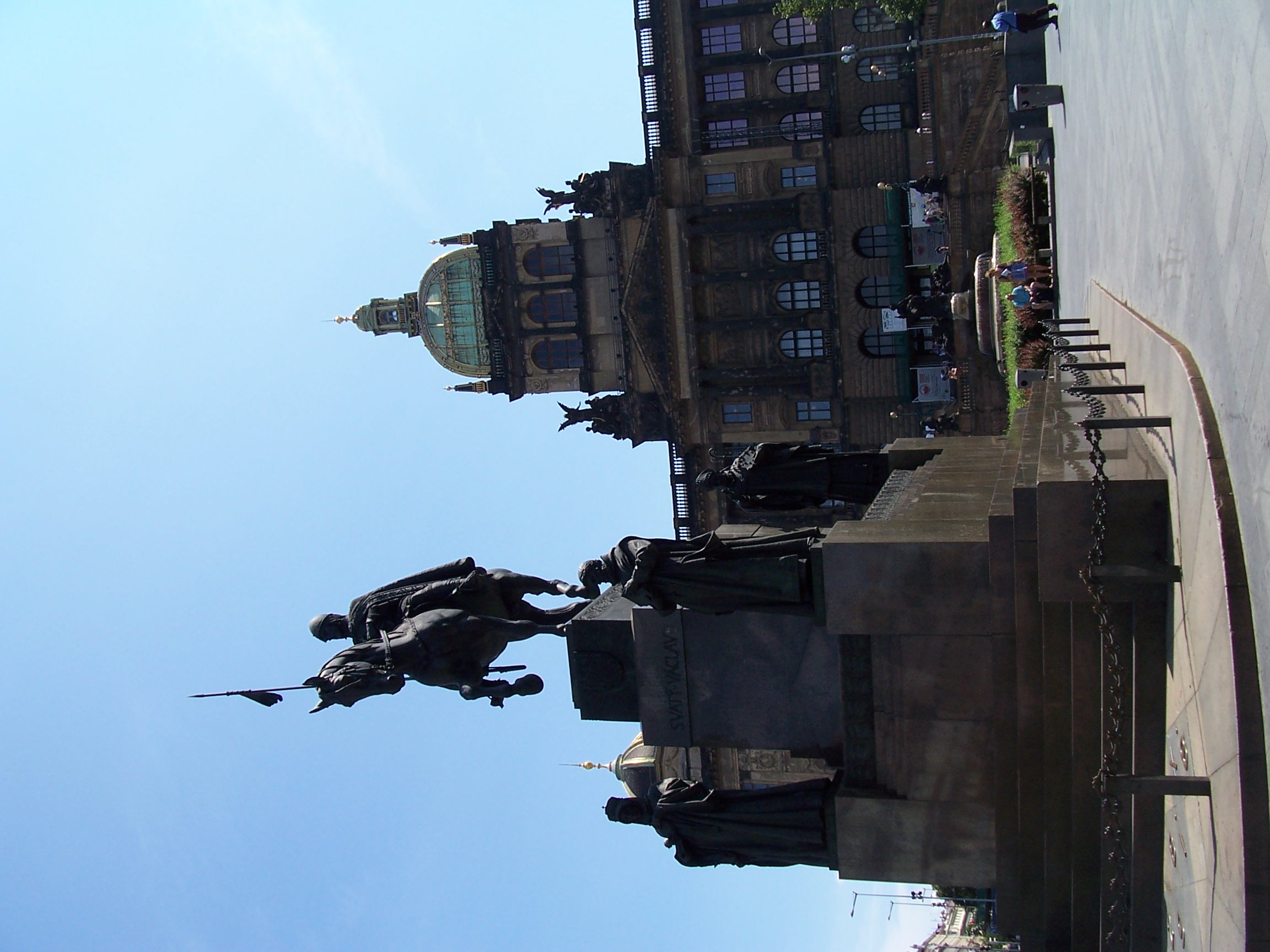
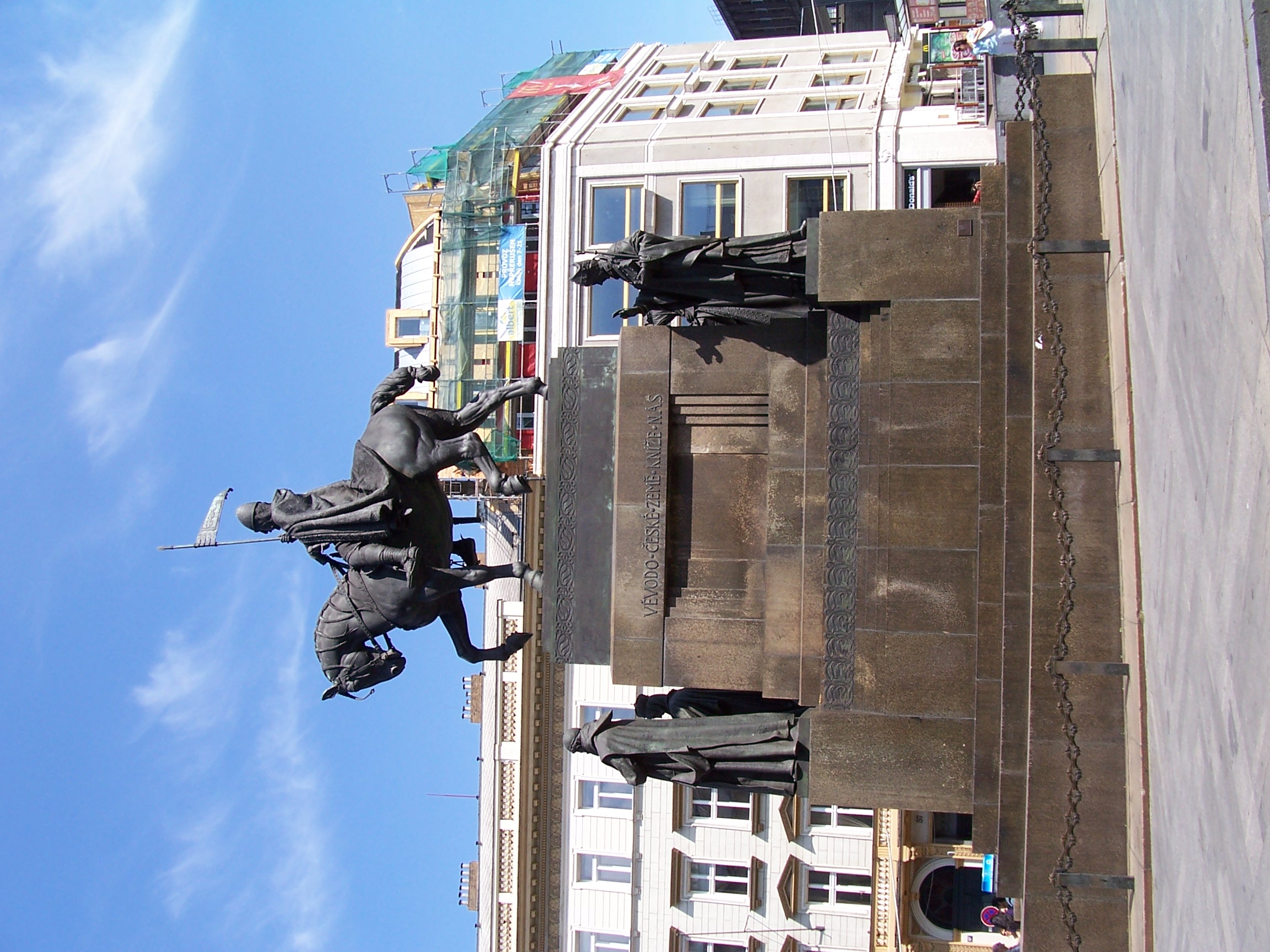
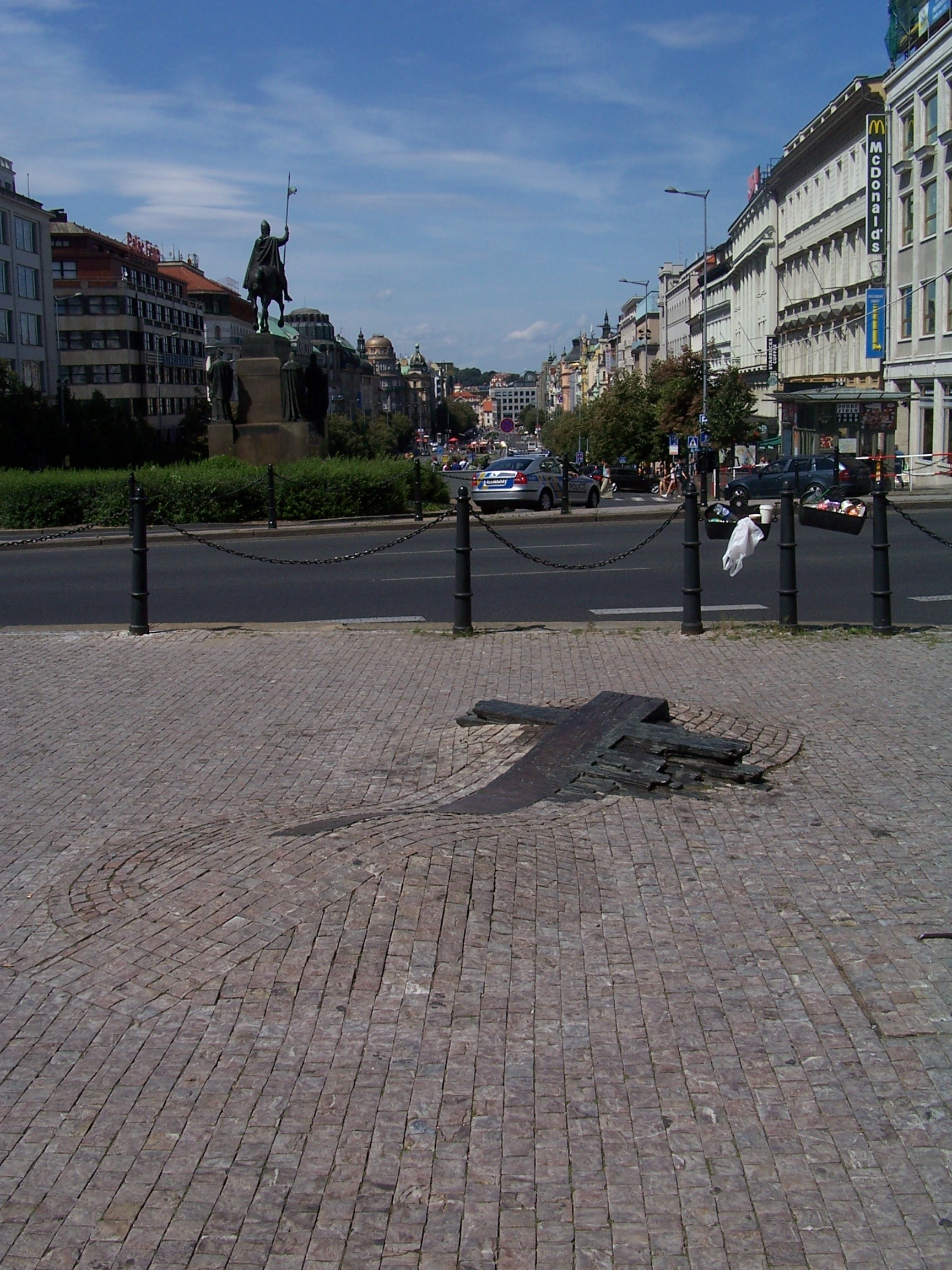
Exactly 91 years ago, on September 22nd—which was a Sunday—the celebration of St. Wenceslaus' Millennium began in Czechoslovakia. It initiated a whole series of similar celebrations in Central and Eastern Europe in the 20th century. Croatia (as a part of Yugoslavia) was supposed to be the next, but World War II put a stop to these plans. In Poland, preparations began in the 1950s and culminated in 1966. The celebrations were marked by a struggle between the Catholic Church and the communist state over hearts and minds of the people. The Croats returned to the idea of celebrating the millennium in the mid-1970s, but this time the Great Novena (which lasted for a decade) turned out to be a prelude to the bloody disintegration of Yugoslavia, revolving around a historical and civilizational dispute between Croats and Serbs. Finally, at the end of the 1980s, one of the most surprising Millennium celebrations took place—the anniversary of the baptism of Kievan Rus’, where the dispute between Kiev and Moscow marked the direction of spiritual changes in the perestroika era. In all these cases politics turned out to be less important than the religious dimension.
The Millennium celebrations in one of the least religious countries in Europe, Czechoslovakia, had a different character. For many, it was surprisingly both a religious and a state event. The official part lasted only for a week. According to the plan, a procession of children started at Hradčany and ended with a meeting of the children with the president of the republic Tomáš Garrigue Masaryk [TGM] in the castle gardens. For the following days, different events were scheduled. However, the purpose of these celebrations seems clear, and so does the nod to religion, which may be surprising in the non-religious TGM state. The aim was to unite the young state, inhabited by three main language groups—Czech, German and Slovak—and including even more numerous religious or ethnic groups, with Jewish, Hungarian and Orthodox communities being fairly sizeable. The idea of creating a modern political nation above and beyond religious or ethnic identification required not only grassroots work and economic development but also a symbolic sphere. The Millennium celebrations were supposed to have a unifying character; they mobilized politicians, clergy, writers, journalists, intellectuals, but also ordinary citizens. The myth of the community found its symbol, its history, thus consolidating the language of images beyond divisions. It turned out later that it was not a permanent solution, and that the divisions could not be easily overshadowed. Nevertheless, when the children met with the president in the royal gardens on September 22nd, 1929, they could not yet know this.